



 Family Joints & sealants
Joints & sealants
Joints and sealants ensure continuity of water and air tightness between two elements subject to differential movement, expansion or vibration. A poorly sized joint can compromise an entire waterproofing, facade or covering system. This cross-cutting family requires a good understanding of the behaviour of the materials in contact.
Ranges
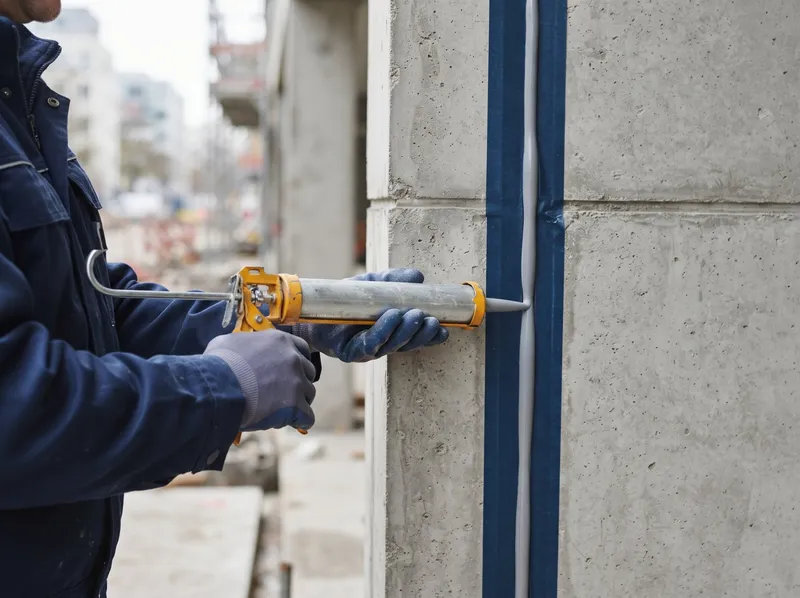
Polyurethane sealants (PU)
High-strength facade and movement joints, paintable and strongly adhesive. Use them for structural joints and demanding connections.
See products
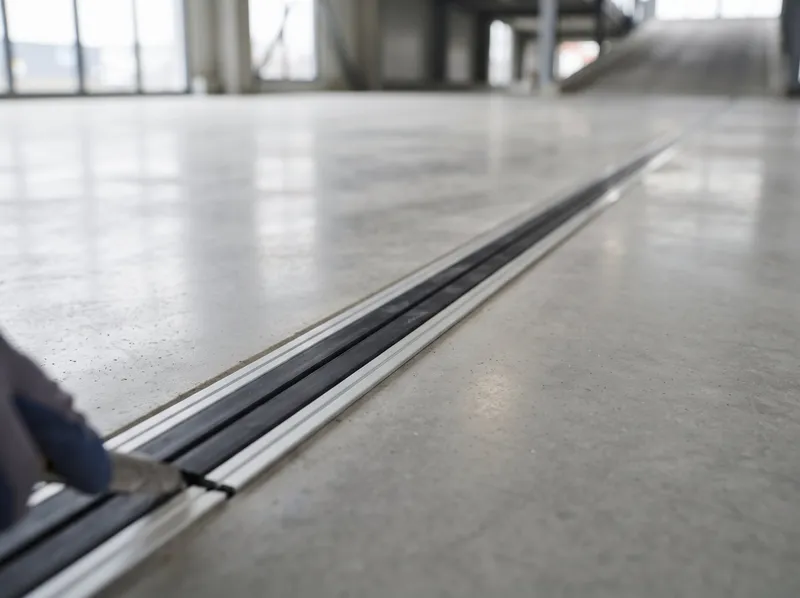
Expansion joints (profiles)
Prefabricated PVC and metal profiles for structural expansion joints in floors and facades. Use them to absorb building movement while protecting the edges.
See products 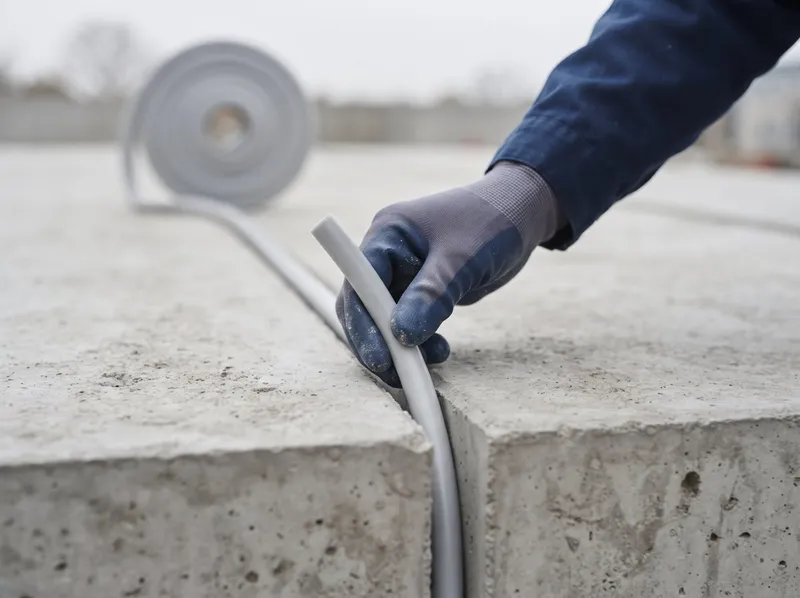
Backer rods
Polyethylene foam rods used to calibrate joint depth before applying the sealant. Use them systematically for correct joint sizing.
See products 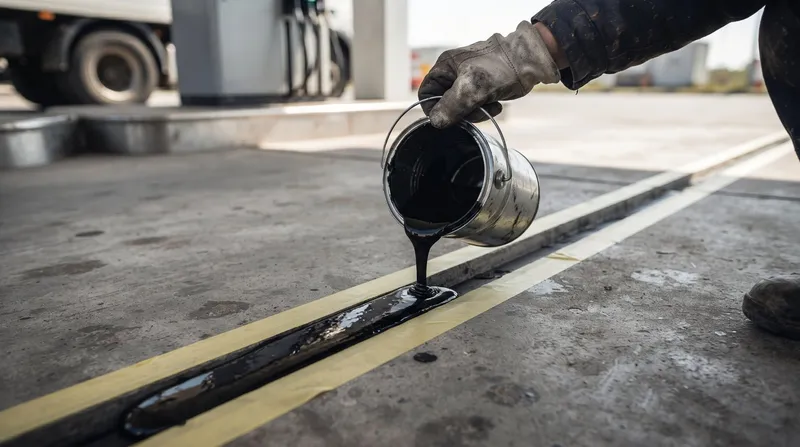
Polysulphide sealants (PS)
Two-component polysulphide elastomeric sealants, resistant to fuels and chemicals, in pourable and gun-grade versions. Use them for joints exposed to fuels, hydrocarbons and chemicals.
See products 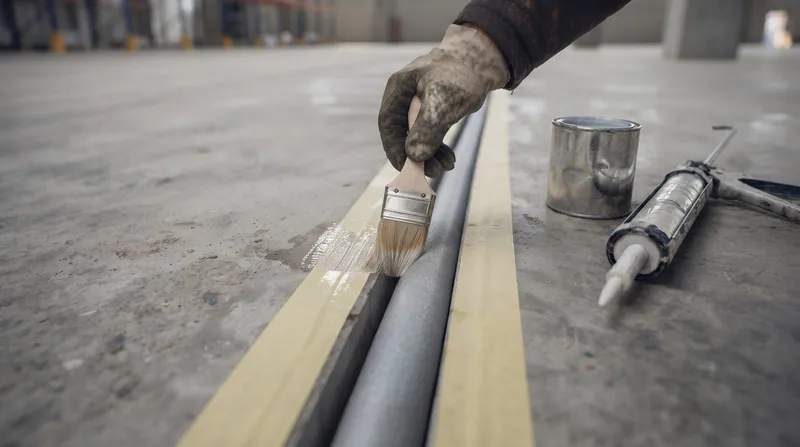
Sealant primers
Bonding primers applied to the joint faces before the sealant. Use them to ensure durable adhesion of polyurethane and polysulphide sealants on porous or smooth substrates.
See products Frequently asked questions
What is a joint sealant used for?
A sealant fills the joints between materials to prevent the passage of water, air and dust while absorbing movement. It is used on expansion, movement and connection joints. Flexible and adhesive, it prevents infiltration and cracking at junctions.
How do you choose between silicone, polyurethane or acrylic sealant?
Silicone suits wet rooms and sanitary joints thanks to its resistance to water and mould. Polyurethane offers strong adhesion and withstands mechanical stress, suited to floor and facade joints. Acrylic, which is paintable, is mainly used for lightly stressed internal joints.
What is the difference between tile grout and a flexible sealant?
Tile grout fills the gaps between tiles and hardens rigidly; it is governed by the EN 13888 standard. A flexible sealant stays elastic to absorb movement at corners, perimeters and movement joints. The two are often combined on the same job.
How do you achieve a successful flexible joint?
The joint edges must be clean, dry and sometimes treated with a primer depending on the substrate. The width and depth are correctly dimensioned, placing a backer rod to control the thickness and avoid three-sided adhesion. Careful tooling ensures watertightness and a clean finish.
Can a sealant stay permanently exposed to the sun?
It depends on the type of sealant: some resist UV well, others degrade or yellow under prolonged exposure. For very sunny external joints, common in Morocco, a specifically UV-resistant product must be chosen. Contact us to identify the sealant suited to your exposure.
