



 Family Structural waterproofing & protection
Structural waterproofing & protection
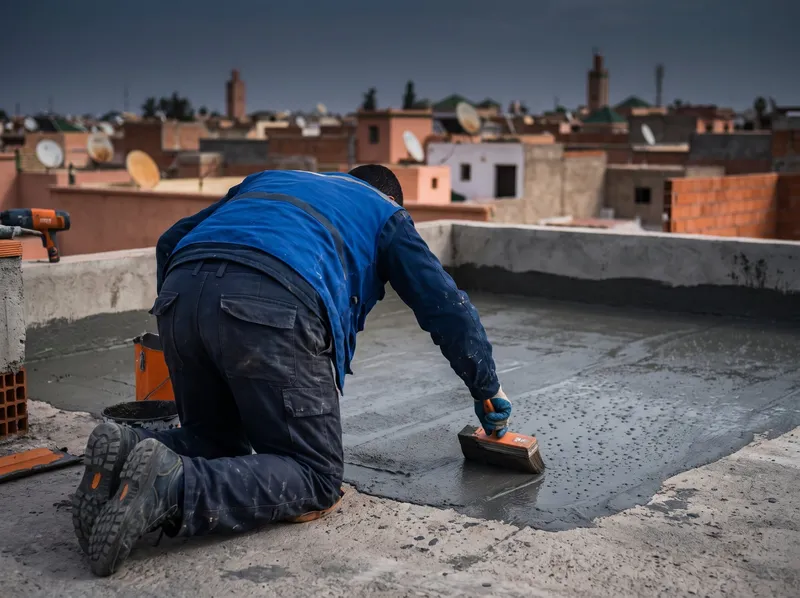
Structural waterproofing brings together the systems and products designed to protect concrete and masonry structures against water ingress, damp and hydrostatic pressure. From foundations to roof, this family covers new build and refurbishment alike, with systems where performance determines the structure's durability.
Ranges
Tanking / Waterproofing
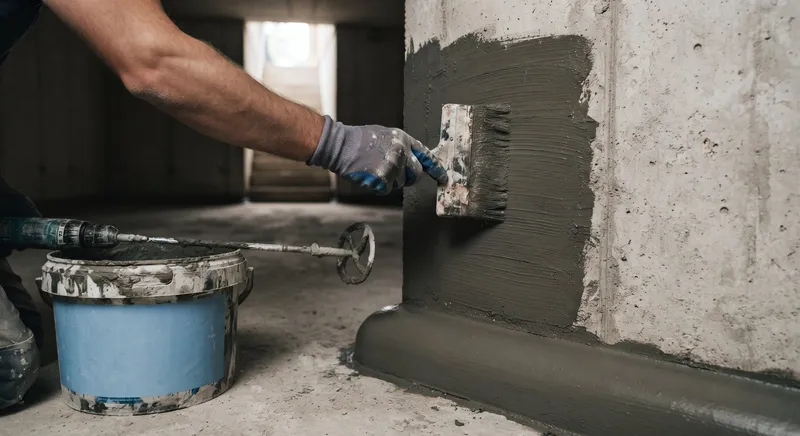
Rigid or semi-flexible coatings to waterproof basements, cellars and buried structures subject to water pressure. Use them on the inner or outer face of buried walls.
See products
Damp treatment
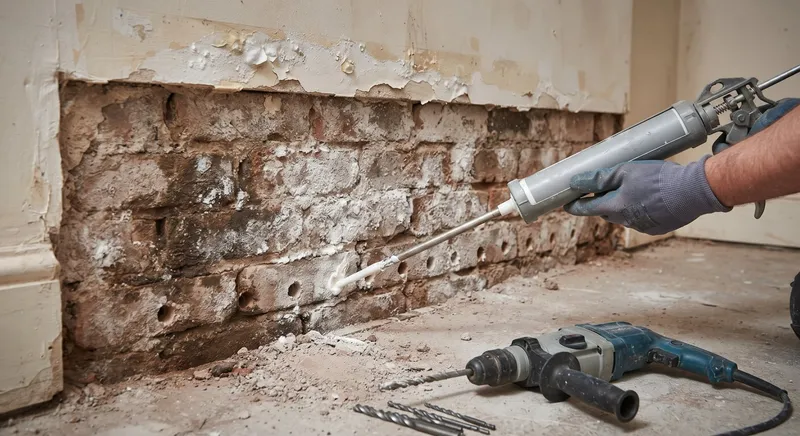
Chemical injection barriers and dehumidifying renders against rising damp in old walls. Use them when refurbishing damp buildings.
See products 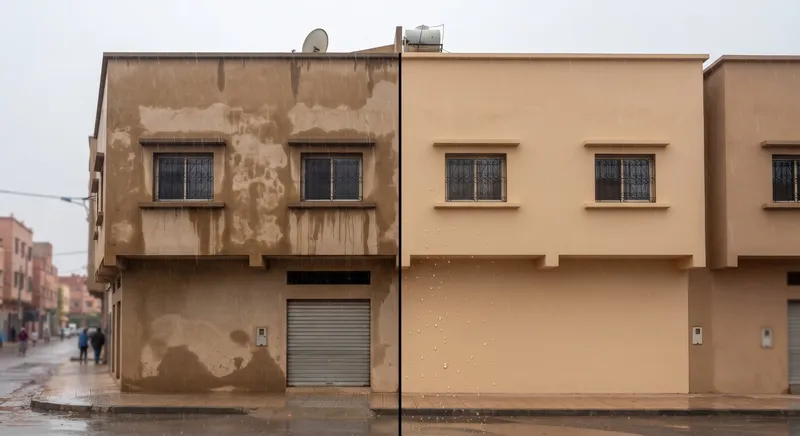
Facade water repelling
Surface water repellents and breathable coatings to protect facades exposed to driving rain while letting the substrate breathe. Use them for facade protection or renovation.
See products 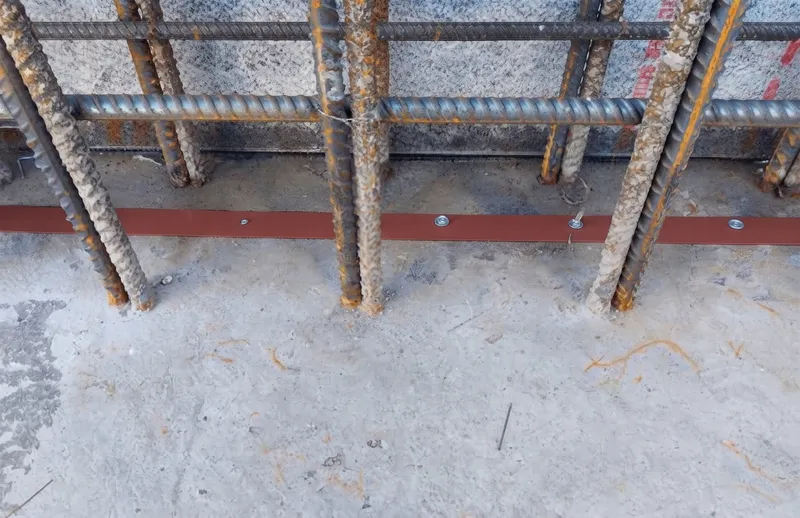
Joints & waterstops
PVC, hydro-swelling or bentonite strips and profiles to waterproof construction and cold joints. Install them during pouring to ensure continuous waterproofing.
See products 
Structural protection
Concrete protection coatings to EN 1504-2: anti-carbonation acrylics and epoxies with high chemical resistance. Use them to extend the service life of structures exposed to atmospheric or chemical attack.
See products Frequently asked questions
What is structural waterproofing?
Structural waterproofing covers the systems that protect a building against water infiltration and moisture. It concerns flat roofs, foundations, basements, tanks and buried structures. The goal is to preserve the durability of the concrete and reinforcement by preventing water from passing through.
What is the difference between positive and negative side waterproofing?
Positive side waterproofing is applied on the side where water arrives, which is the most effective and durable solution. Negative side waterproofing is applied on the side opposite the water pressure, for example inside a basement, when external access is impossible. The choice depends on the accessibility of the structure and the hydrostatic pressure.
How do you choose between a liquid membrane and a waterproofing coating?
A liquid membrane forms a continuous flexible film, ideal for roofs and surfaces exposed to movement and UV. A waterproofing coating or mortar, often cementitious, suits substrates in direct contact with water such as tanks and basements. The choice is made according to the substrate, mechanical loading and exposure.
What precautions apply before installing a waterproofing system?
The substrate must be clean, sound, cohesive and free of laitance, dust and loose parts. Cracks and detail points such as upstands and penetrations must be treated before application. Respecting drying times and weather conditions is decisive for the durability of the system.
Can you waterproof a structure in permanent contact with water?
Yes, tanks, pools and buried structures are treated with systems designed to resist continuous water pressure. For drinking water tanks, a product suitable for food contact must be chosen according to the available certifications. A prior survey of the substrate is recommended; contact us for technical advice.
